Tarot Card Meanings: A Guide You Can Actually Use
4 min read
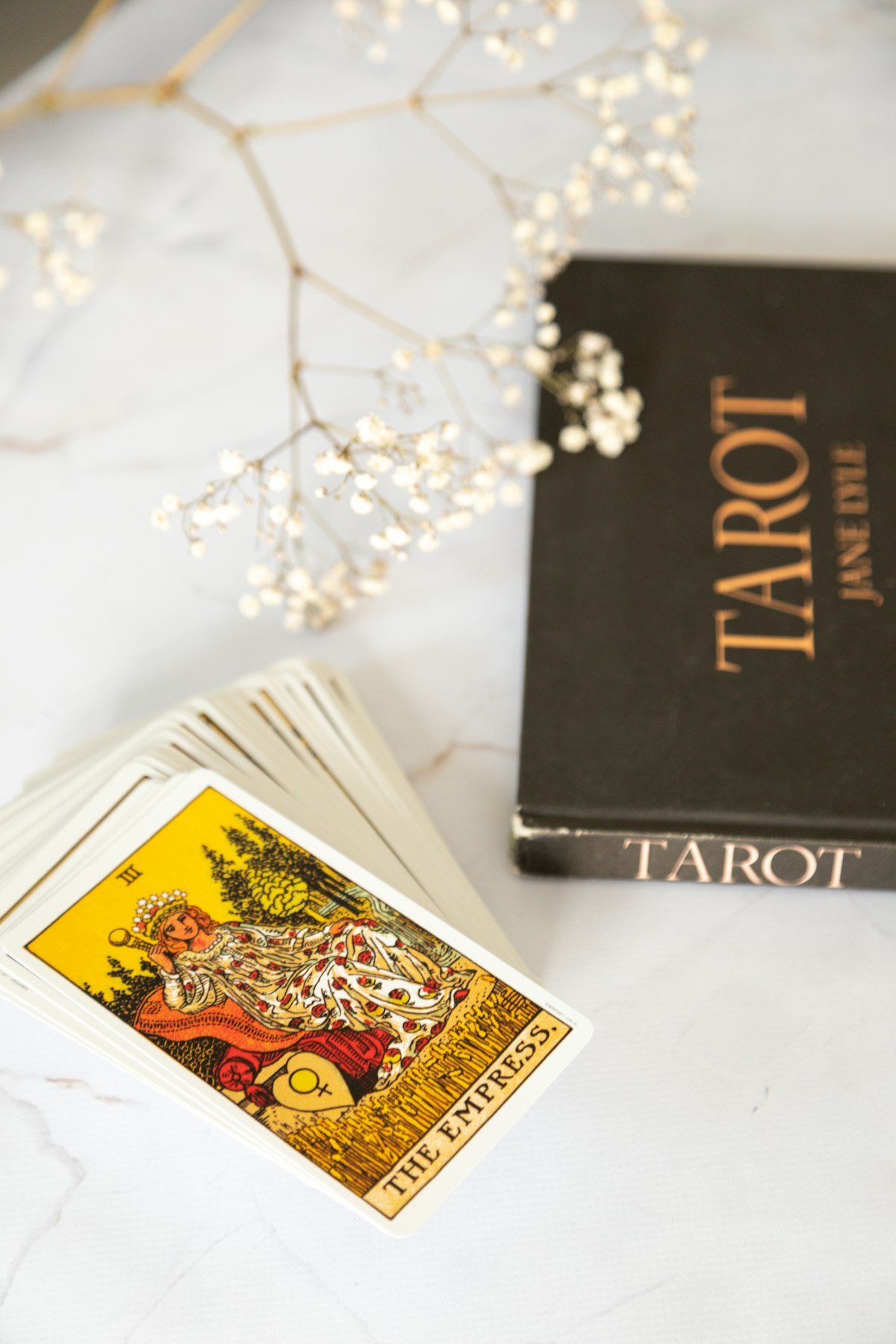
I get some version of "what does this card mean?" in almost every reading, usually asked with a slightly nervous laugh, as if the card has already decided something about them. So I've started building something I've wanted on this site for a while: a proper, plain-language guide to what every tarot card actually means, upright and reversed, in the Rider-Waite tradition I read from.
The Tarot Card Meanings guide is live now, and it's a living document, not a one-time post. All 78 cards are up: the full Major Arcana, the cards people usually ask about by name, The Tower, Death, The Star, plus all four Minor Arcana suits, Cups, Wands, Swords, and Pentacles.
Why a Glossary, and Why Now
Most tarot meaning lists online read like they were written for search engines, not people, a wall of keywords with no context for what they're actually pointing at. I wanted something you could genuinely learn from: a short, honest description of what each card tends to mean, alongside the upright and reversed keywords, written the same way I'd actually explain a card to you in a session.
A glossary can tell you what a card means. A reading tells you what it means for you.
How to Actually Use It
Don't try to memorise all 78 cards at once, nobody reads that way, including me when I started. Instead, use it the way I'd suggest using any reference: look up a card right after you pull it, notice which line of the description actually lands for your situation, and let that be the doorway into the card rather than the whole answer.
Over time, patterns start to repeat, certain cards will keep showing up in your life at certain moments, and you'll start to recognise them before you even look them up. That's the real goal here, not memorisation, but building your own fluency in the cards.